Starting digestive enzyme supplements can be a positive step for dogs struggling with digestion, but early mistakes can slow progress or create unnecessary frustration. After speaking with many dog owners who are new to enzyme supplementation, we see a consistent pattern of issues that tend to appear during the first few weeks. Understanding these common mistakes and how to avoid them can make a meaningful difference in results.
Improper Meal Preparation
One of the most common issues we see is skipping proper enzyme preparation. Digestive enzymes are not designed to be fed dry. They must be mixed into moistened pet food so they can begin breaking down food before your dog eats.
Enzyme powder should be mixed thoroughly into a moistened meal. The food should sit at room temperature for at least 15 minutes before feeding (known as incubation). This incubation period allows the enzymes to activate and start working on the food.
With Pan-tenex, our general starting guideline is to mix about 1/4 to 1 teaspoon of enzyme powder into moistened food and allow it to incubate before serving. Mixing enzymes into hot food (or using hot water) should be avoided, as heat can damage enzyme activity. Feeding untreated, dry powder directly to the dog can irritate the mouth when enzymes and food are not properly prepared.
For a detailed walkthrough, see our article How to Mix Enzyme Powder with Your Dog’s Food.
Increasing the Dose Too Quickly
Digestive enzymes are powerful, and more is not always better. A common mistake is using too much to start or increasing the dose too quickly in an effort to speed up results.
- Start conservatively. A typical starting point with Pan-tenex is about 1/4 teaspoon or less for 1 cup of food.
- Hold each dose. Stay at the same dose for every meal for at least four to five days and examine the stool results before making any changes.
- Adjust gradually. If stools are still loose, increase by only ¼ teaspoon per meal, then stay at this new dose again for 4-5 days and re-examine the stools.
Rapid increases or doubling the dose can lead to diarrhea or digestive upset. Smaller dogs usually need less enzyme, while very large dogs may need more, but progress is typically gradual rather than immediate.
Always refer to our feeding guidelines for dosing structure and adjustment timing.
Using the Wrong Type of Enzyme Product
Not all digestive enzyme products are appropriate for dogs. Human, plant-based enzyme blends or generic supplements typically lack the activity level that dogs require and frequently include unnecessary fillers.
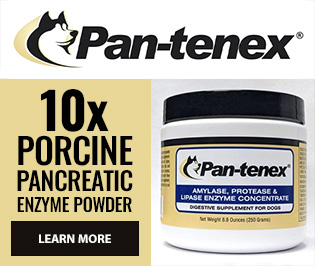
Pan-tenex is a dog-specific, porcine-based pancreatic enzyme powder formulated at the highest 10x potency. This higher concentration allows dogs to receive effective digestive support using less powder per meal, which helps improve consistency and reduces irritation risk.
Pan-tenex is produced using alcohol extraction rather than harsh solvents such as acetone, resulting in a higher quality product with a natural, more palatable odor. It also contains no added sugars or fillers such as lactose or sucrose, which can interfere with digestion in sensitive dogs.
Diet and Feeding Habits That Undermine Results
Diet plays a major role in how well enzymes work. Excessive fiber or high grain diets can make digestion more difficult, even with enzyme support.
- Stick with simple foods during adjustment. Easy to digest meals help enzymes work more efficiently.
- Use enzymes with every full meal. Skipping doses leads to inconsistent results.
- Be mindful with snacks. Dogs often tolerate small, dehydrated treats when given within 30 mins before an enzyme treated meal or within 30 mins after an enzyme treated meal.
- Ensure proper hydration. Fresh water should always be made available during and after meals.
Storage and Handling Errors
Enzyme potency can decline if the product is not stored correctly. Enzyme powder should be kept in a cool, dry place away from heat, moisture, and direct sunlight. Refrigeration and freezing are not recommended.
Pan-tenex is packaged in a high-quality container, but it is still important to close the lid tightly after each use. For travel, the powder is stable and easy to transport when kept away from excessive heat for extended periods.
Setting Realistic Expectations for Progress
When these common mistakes are avoided, most dogs show steady improvement over time. Establishing a consistent routine with proper mixing, incubation, and measured dosing often leads to firmer stools, better nutrient absorption, and improved comfort.
Tracking changes can be very helpful during the first few weeks. Use our Dog Enzyme Digestive Health Stool Tracker to monitor stool quality, appetite, and energy levels.
Key Takeaways
- Always mix enzyme powder into moistened food and allow it to incubate before feeding.
- Start with the recommended dose and adjust slowly based on stool response.
- Choose a dog formulated, high potency enzyme such as Pan-tenex 10x with no added fillers or sugars.
- Avoid hot food, hot water, excessive fiber/grain and improper storage.
- Consistency and patience matter. Improvement typically occurs over days to weeks.
If you need additional guidance or troubleshooting help, explore our help articles or contact us. We are always happy to help you fine tune your dog’s digestive enzyme routine.